Mastering Perfectly Fluffy Rice: Your Guide to Pressure Cooker Success
Hey there, fellow food adventurer! How many times have you stared at a pot of rice, hoping for fluffy perfection, only to end up with a sticky, clumpy mess or, even worse, a crunchy surprise? Trust me, you’re not alone. For years, rice was my culinary Achilles’ heel. I tried every trick in the book – the knuckle method, the perfect ratio, the ‘don’t lift the lid’ mantra – but consistent results felt like a mythical creature.
Then, a game-changer entered my kitchen: the pressure cooker. And let me tell you, it wasn’t just for tough cuts of meat or speedy stews anymore. It revolutionized my rice-cooking game! If you’re ready to say goodbye to rice anxiety and hello to consistently perfect, fluffy grains, you’ve come to the right place. We’re about to unlock the secret to perfectly cooked rice every single time, all thanks to the magic of pressure cooking.
Why Pressure Cooker Rice is a Game-Changer (Seriously!)
Before we dive into the ‘how,’ let’s touch upon the ‘why.’ Why bother with a pressure cooker when you could just use a normal pot? Well, for one, it’s incredibly fast. We’re talking about drastically reduced cooking times, which is a lifesaver on busy weeknights. But beyond speed, there are some pretty awesome benefits:
- Consistency: The sealed environment of a pressure cooker ensures even heat distribution, leading to consistently cooked grains from top to bottom. No more hard bits at the bottom and mushy bits at the top!
- Fluffiness: The pressure forces water into the rice grains more effectively, resulting in incredibly light and fluffy individual grains.
- Energy Efficiency: Because it cooks faster, your pressure cooker uses less energy than traditional stovetop methods. Good for your wallet and the planet!
- Hands-Off Cooking: Once it’s up to pressure, you can pretty much set it and forget it. No constant stirring or checking required.
Think about it: less time hovering over the stove, less chance of scorching, and more time enjoying your meal. Sounds pretty good, right?
Picking Your Grain: A Quick Primer
While the pressure cooker is versatile, different types of rice do require slightly different approaches. Here’s a quick overview:
- White Rice (Basmati, Jasmine, Long-Grain): These are your quick-cooking superstars. They generally require a 1:1 ratio of rice to water and cook very quickly under pressure.
- Brown Rice: A personal favorite for its nutty flavor and fiber content, brown rice takes a bit longer and typically needs a 1:1.25 ratio of rice to water. It’s still significantly faster in a pressure cooker than on the stove.
- Wild Rice & Other Grains: While this article focuses on rice, your pressure cooker is fantastic for other grains too! Just be sure to look up specific water ratios and cooking times for each.
For today, we’re going to focus on the common white rice varieties (Basmati, Jasmine, long-grain white) as they’re a great starting point for pressure cooker beginners. They’re what I usually have in my pantry, and they’re incredibly forgiving.
Your Step-by-Step Guide to Perfect Pressure Cooker Rice
Alright, let’s get down to business! Here’s how you’re going to achieve rice nirvana.
Step 1: Rinse Your Rice (Usually)
This is a step many skip, but it makes a huge difference, especially with white rice. Rinsing removes excess starch, which helps prevent clumping and results in those beautiful, separate grains we all crave. Place your rice in a fine-mesh sieve and rinse under cold running water until the water runs clear. It usually takes a minute or two. For some varieties like Arborio rice (for risotto) or glutinous sweet rice, you might skip this, but for everyday white rice, rinse away! Curious about the science behind rinsing? Food Network has a great piece on it.
Step 2: The Perfect Ratio – 1:1 is Your Friend (for White Rice)
This is where the pressure cooker really shines. Unlike stovetop methods that often call for more water to account for evaporation, the sealed environment of a pressure cooker means very little water escapes. For most white rices (Basmati, Jasmine, long-grain), a 1:1 ratio of rice to water is ideal. So, if you’re cooking 1 cup of rice, you’ll add 1 cup of water. It’s that simple!
For brown rice, I typically go with a 1:1.25 ratio (e.g., 1 cup rice to 1 and a quarter cups water). You might need to experiment slightly based on your specific pressure cooker model and rice brand, but these are excellent starting points.
Step 3: Add Salt and a Little Fat (Optional, but Recommended!)
A pinch of salt (about 1/4 teaspoon per cup of rice) enhances the flavor beautifully. I also like to add a tiny bit of oil or butter (about 1 teaspoon per cup of rice). This helps prevent foaming, adds a lovely sheen to the grains, and can even contribute to that fluffy texture.
Step 4: Pressure Cook It!
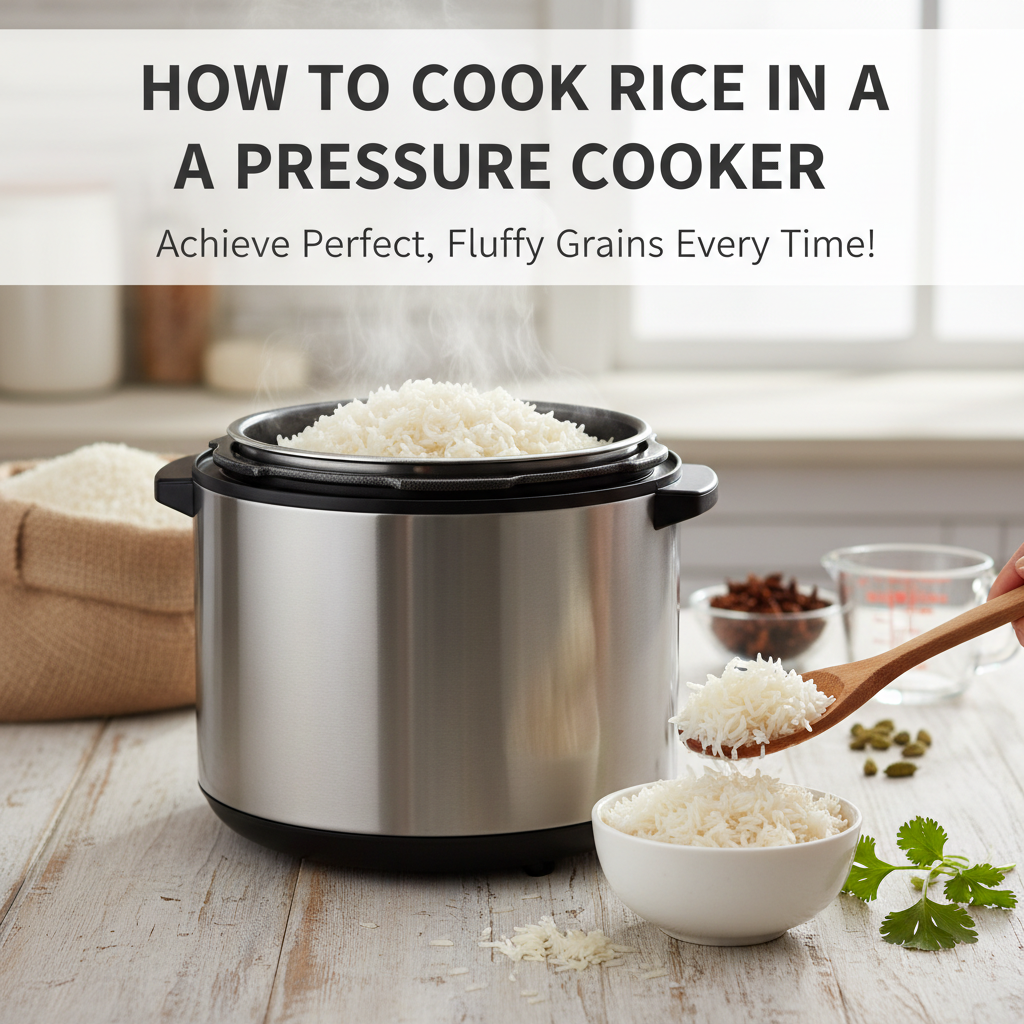
Now for the main event! Combine your rinsed rice, water, salt, and fat in your pressure cooker pot. Give it a gentle swirl to mix everything. Secure the lid, making sure the vent is sealed (or set to ‘pressure’).
- For White Rice (Basmati, Jasmine, Long-Grain): Cook on high pressure for 3-5 minutes. Yes, that’s it!
- For Brown Rice: Cook on high pressure for 15-20 minutes.
My instant Pot (which is a popular electric pressure cooker, for those wondering) usually takes about 10-15 minutes to come to full pressure before the cooking timer even starts for rice. So, factor that in!
Step 5: Natural Pressure Release (NPR) is Key!
Once the cooking time is up, turn off the heat (or your electric pressure cooker will automatically switch to ‘keep warm’). This is crucial: DO NOT manually release the pressure immediately! Allow the pressure to release naturally for at least 10-15 minutes for white rice, and 15-20 minutes for brown rice. For best results with white rice, I usually just let it do a full natural pressure release (NPR). This allows the steam to redistribute within the rice, completing the cooking process gently and preventing mushiness or clumping. It’s like a mini spa for your rice grains.
Step 6: Fluff and Serve!
Once the pressure has fully released (the floating valve will drop on manual pressure cookers, or your electric cooker will indicate it’s safe to open), carefully open the lid away from your face. Use a fork to gently fluff the rice. You’ll be amazed at how perfectly separate and tender each grain is!
Serve immediately with your favorite curry, stir-fry, or just about anything. You’ve earned this perfectly cooked rice!
Troubleshooting Common Pressure Cooker Rice Issues
Even with the best intentions, things can sometimes go awry. Here are a few common issues and how to fix them:
- Too Sticky/Mushy: You might have used too much water, or perhaps your natural pressure release wasn’t long enough. Next time, try reducing the water by 1/4 cup or extending the NPR time.
- Too Hard/Undercooked: Not enough water, or the cooking time might have been too short. Add a tablespoon or two more water next time, or increase the pressure cooking time by a minute. Some pressure cookers run hotter than others!
- Burned Bottom: This usually means not enough liquid, or you didn’t have enough pressure built up (perhaps the vent wasn’t sealed properly). Always double-check your liquid ratio.
Remember, a little experimentation is part of the fun with any new cooking method. Don’t be afraid to adjust slightly based on your specific appliance and preferred rice texture. For more in-depth troubleshooting, I often refer to reliable resources like Pressure Cooker Recipes.
A Final Fluffy Thought
Learning how to cook rice in a pressure cooker was a game-changer for me, and I’m confident it will be for you too. It transforms what can sometimes be a finicky task into a simple, reliable process that yields consistently amazing results. So, go ahead, pull out that pressure cooker, follow these steps, and prepare to enjoy the easiest, fluffiest rice you’ve ever made. Happy cooking!