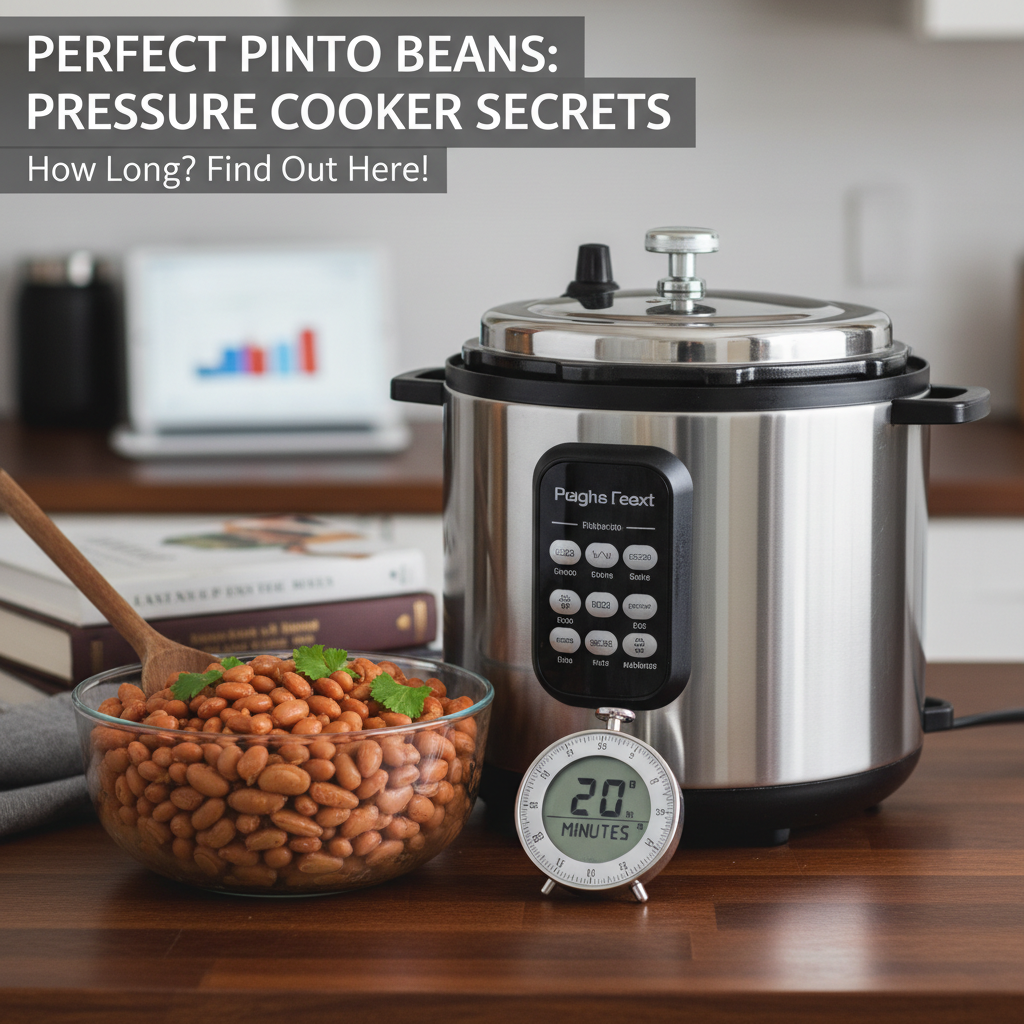
Pressure Cooker Pinto Beans: Your Fast Track to Flavorful Comfort!
Alright, bean lovers, let’s talk about one of life’s simple, yet profoundly satisfying pleasures: a big heaping bowl of perfectly cooked pinto beans. You know the kind – creamy, rich, full of flavor, and just begging to be paired with some cornbread or a spoonful of rice. But let’s be honest, traditional stovetop methods can take, well, forever. We’re talking hours of simmering, constant checking, and sometimes, if you’re like me, a moment of forgetting mid-binge-watching and ending up with a mushy mess.
That’s where our superhero, the humble pressure cooker, swoops in to save the day! If you’ve been wondering, “How long do I cook pinto beans in a pressure cooker?” you’re in for a treat. I’m going to share my tried-and-true methods, tips, and tricks to get you those dreamy beans in a fraction of the time. No more excuses for not making homemade beans!
Why The Pressure Cooker Is Your Bean Bestie
Before we dive into the nitty-gritty of timing, let’s appreciate why a pressure cooker is a game-changer for beans. It’s all about science! By creating a high-pressure environment, water boils at a higher temperature, which significantly speeds up the cooking process. This means dried beans, which usually demand a lengthy soak and an even lengthier cook time, become incredibly tender and ready to eat much, much faster.
Plus, I find that pressure-cooked beans tend to have a more consistent texture. They’re evenly cooked through, preventing those annoying hard centers or overly mushy exteriors you sometimes get with other methods. It’s a win-win!
Soaking or No Soaking? The Great Bean Debate!
This is a question I get asked all the time, and honestly, there are strong opinions on both sides. Traditionally, most recipes call for soaking dried beans overnight. This helps to hydrate them, reduce cooking time, and some even say it helps with digestibility (less gassiness, phew!).
However, with a pressure cooker, soaking is often optional. That’s right! You can absolutely cook unsoaked pinto beans in a pressure cooker. The cook time will be longer, but if you’re in a pinch or just forgot to soak them, it’s totally doable. My personal preference? I usually do a quick soak if I remember, just because I like the slightly shorter cooking time and I find the texture to be consistently perfect. But don’t stress if you skip it!
For more detailed information on pressure cooking in general, I highly recommend checking out the Wikipedia page on pressure cookers. It’s a fantastic resource for understanding the science behind this amazing kitchen tool.
The Magic Numbers: How Long to Cook Pinto Beans in a Pressure Cooker
Alright, let’s get down to business. Here are my go-to timings for tender, delicious pinto beans, whether you’ve soaked them or not.
For Soaked Pinto Beans:
- Rinsing: First things first, always rinse your dried beans thoroughly under cold water. Give ’em a good once-over to remove any tiny pebbles or debris. Nobody wants those in their dinner!
- Soaking: If you’re soaking, cover them with plenty of water (at least 3-4 inches above the beans) and let them sit for 8-12 hours, or do a quick soak by boiling them for 5 minutes, then letting them sit covered for 1 hour. Drain and rinse well before cooking.
- Cooking Time: 10-15 minutes at high pressure.
- Release Method: Natural Pressure Release (NPR) is best here. This means you let the pressure cooker gradually depressurize on its own, which usually takes another 10-20 minutes. It’s crucial for preventing skinned beans and ensuring even cooking.
So, for soaked beans, you’re looking at about 10-15 minutes of active cooking time, plus the NPR. Easy peasy!
For Unsoaked Pinto Beans:
- Rinsing: Again, rinse those beans well!
- Cooking Time: 25-35 minutes at high pressure.
- Release Method: Again, go with Natural Pressure Release (NPR). It’s your friend for beautifully cooked beans every time.
As you can see, the unsoaked method takes a bit longer, but it’s still way faster than stovetop cooking. Either way, you’ll be enjoying those beans in no time.
A great resource for specific cooking times for various legumes in a pressure cooker can often be found on the Instant Pot’s official website or similar pressure cooker brand sites. They often have comprehensive charts!
Tips for Pressure Cooker Pinto Perfection
Just a few extra pointers to make sure your beans turn out fantastic every single time:
- Water-to-Bean Ratio: A good rule of thumb is 3-4 cups of liquid for every 1 cup of dried beans. This ensures they have enough to absorb and cook properly without drying out. You can use water, vegetable broth, or chicken broth for added flavor.
- Don’t Add Salt Early: This is a common mistake! Adding salt too early can toughen the skins of your beans. Wait until they are fully cooked and tender before salting generously.
- Flavor Boosters: This is where the magic happens! To elevate your pintos, throw in aromatics like a bay leaf, a chopped onion, a few cloves of garlic, a smoked ham hock, or even some cumin or chili powder. These add incredible depth of flavor.
- Check for Doneness: After the NPR, carefully open your pressure cooker and test a few beans. They should be tender and creamy. If they’re still a bit firm, you can close the lid and cook for another 5-10 minutes on high pressure, followed by another NPR.
- Storage: Cooked pinto beans store beautifully in the fridge for 4-5 days or can be frozen for several months. I often make a big batch and freeze them in meal-sized portions for quick dinners later.
For more inspiration on what to do with your perfectly cooked pintos, browse some delicious pinto bean recipes on Allrecipes.com. The possibilities are endless!
Ready, Set, Bean!
So there you have it, my friend! Cooking pinto beans in a pressure cooker isn’t just about saving time; it’s about consistently achieving that perfect, creamy texture and absorbing all those wonderful flavors. Whether you’re making a hearty stew, a batch of refried beans, or just a simple side dish, your pressure cooker is about to become your new favorite bean-cooking companion.
Don’t be intimidated by pressure cooking; once you try it for beans, you’ll wonder how you ever lived without it. Go forth, cook those beans, and enjoy the delicious, comforting results!