Unlocking Flavor Fast: How Does a Pressure Cooker Really Work?
Ever looked at a pressure cooker and thought, “What mystical magic is happening inside that pot?” You’re not alone! For many, it seems like some kind of kitchen wizardry that transforms tough meats into tender delights and uncooked beans into creamy bliss in record time. But trust me, it’s not magic; it’s just fantastic science! If you’ve been hesitant to try one or are simply curious about how this kitchen powerhouse operates, you’ve come to the right place. We’re going to pull back the curtain and explain exactly how a pressure cooker works, in a way that’s easy to understand and totally friendly.
I remember my grandma telling me stories about her old stovetop pressure cooker, a weighty, hissing contraption that she swore by for her Sunday roasts. For a long time, I was a bit intimidated by them myself. All that steam and sound… it seemed a bit much! But once I finally dove in and understood the simple principles behind its operation, I realized it’s actually one of the safest and most efficient tools you can have in your kitchen. So, let’s peel back the layers and discover the genius behind this incredible cooking device.
The Scientific Secret: Pressure, Heat, and Boiling Points
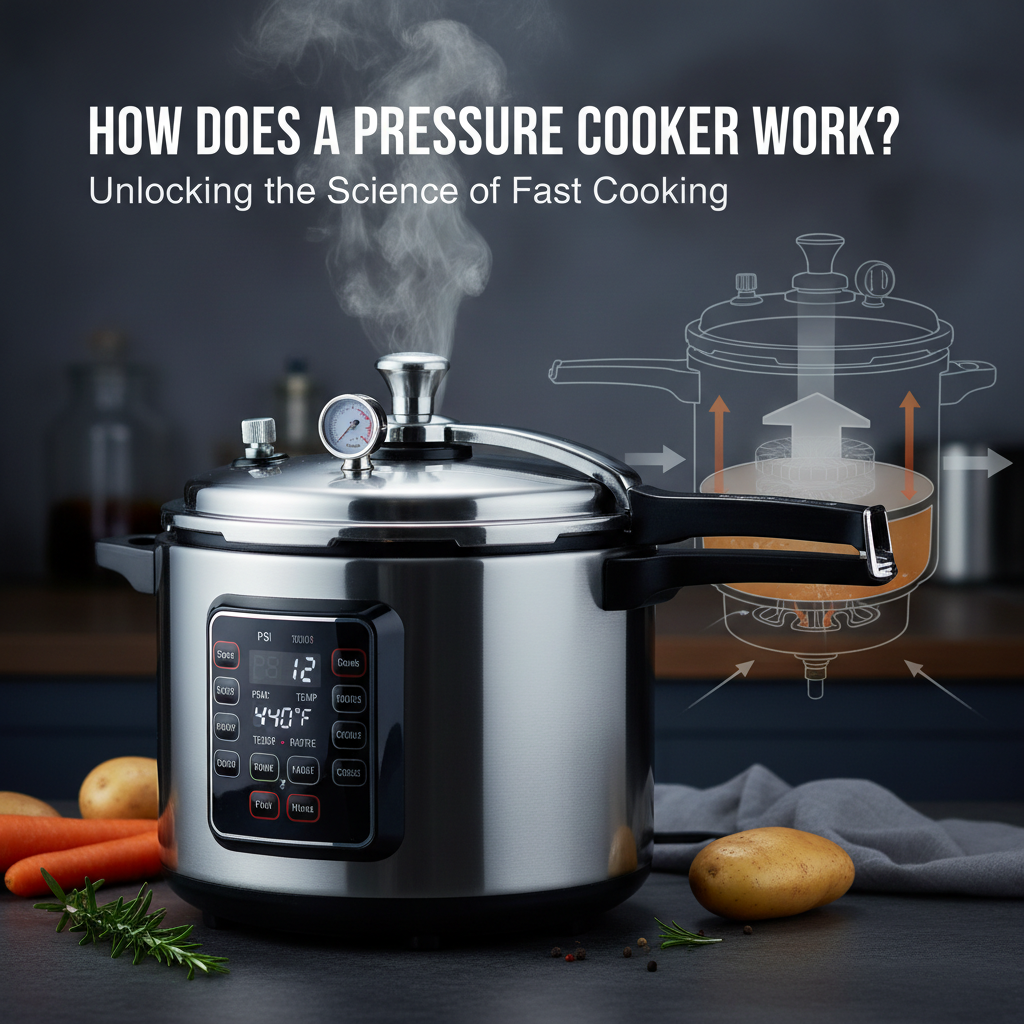
At its core, a pressure cooker works by creating a high-pressure, superheated environment for your food. Think about it: when you boil water in a regular pot, it turns into steam at 212°F (100°C) at sea level. That’s its boiling point. But what if you could make that water even hotter without it evaporating away? That’s exactly what a pressure cooker does!
Here’s the breakdown:
- Sealed Environment: When you put food and liquid into a pressure cooker and seal the lid, you’re creating an airtight chamber. This is crucial for building pressure.
- Heating Up: As you heat the pot, the liquid inside begins to boil and turn into steam, just like in a regular pot.
- Pressure Builds: But because the steam can’t escape (thanks to that sealed lid!), it gets trapped. As more steam builds up, the pressure inside the cooker increases dramatically.
- Boiling Point Rises: This increased pressure does something amazing: it elevates the boiling point of water. Instead of boiling at 212°F (100°C), water inside a pressure cooker can reach temperatures of around 250°F (121°C) or even higher! This phenomenon is explained beautifully on Wikipedia’s page on boiling points.
Imagine cooking at a temperature much higher than boiling water. That’s essentially what’s happening, and it’s why your food cooks so much faster!
More Than Just Speed: The Benefits Beyond Fast Cooking
While speed is definitely a major draw (who doesn’t love getting dinner on the table quicker?), pressure cooking offers a few other stellar advantages:
Flavor Infusion Like No Other
Because the steam is trapped inside and constantly circulating, it doesn’t just cook food; it infuses flavors incredibly well. Think about it: none of those aromatic compounds or delicious liquids are escaping. They’re all staying right there, forced into the food. This means your stews will be richer, your broths more intensely flavored, and even simple vegetables will taste more vibrant. It’s like a flavor sauna for your ingredients!
Nutrient Retention Heroes
Another fantastic benefit is how pressure cooking helps retain nutrients. Traditional boiling often leaches water-soluble vitamins (like Vitamin C and many B vitamins) out of your food and into the cooking water, which then gets discarded. With a pressure cooker, less cooking liquid is typically used, and the shorter cooking times mean less exposure to heat and water, helping to preserve more of those precious nutrients. This is why many health-conscious cooks swear by them; you can learn more about nutrient retention in cooking from resources like Healthline’s article on pressure cooker benefits.
Energy Efficiency & Less Mess
Since food cooks so much faster, pressure cookers use significantly less energy than conventional stovetop or oven methods for the same dish. Plus, because everything is sealed up, there’s less steam escaping into your kitchen, which can be great for keeping things cooler in the summer. And let’s be honest, cleaning just one pot is usually a lot easier than multiple pans and pots, right? It’s a win-win!
The Anatomy of Safety: How Today’s Pressure Cookers Work Responsibly
Modern pressure cookers, whether they’re the classic stovetop type or the popular electric multicookers (like an Instant Pot), are incredibly safe devices. They’re designed with multiple safety features to prevent problems, which is a far cry from the potentially intimidating models of yesteryear.
- Gasket/Sealing Ring: This flexible ring creates the airtight seal between the lid and the pot, essential for building pressure.
- Pressure Regulator/Vent Valve: This is where excess steam is released to maintain the correct cooking pressure. It often jiggles or makes a gentle hissing sound on stovetop models, or subtly vents on electric ones.
- Safety Valve: A secondary safety mechanism that will release pressure if the main vent valve ever gets blocked, preventing over-pressurization.
- Lid Locking Mechanism: You can’t open a pressure cooker when it’s under pressure, and it won’t build pressure if the lid isn’t properly latched and locked. Many electric models have sophisticated digital safety protocols built-in, as detailed in an article about how modern pressure cookers work from Dummies.com.
It’s important to always read your specific cooker’s manual, but generally, operating them nowadays is really straightforward and much more user-friendly than you might think.
Ready to Start Pressure Cooking?
So there you have it! The mystique of the pressure cooker isn’t really mystical at all – it’s just brilliant leverage of physics to make your cooking faster, more flavorful, and even more nutritious. If you’ve been on the fence, I hope understanding how it works has dissolved some of your reservations. Imagine perfectly tender pot roasts in an hour, dried beans cooked in under 30 minutes without pre-soaking, or even cheesecake that’s unbelievably creamy.
My advice? Start with something simple, like rice or a basic chicken dish. You’ll be amazed at the results and how quickly you warm up to this incredibly versatile kitchen appliance. Before you know it, you’ll be whipping up delicious, wholesome meals in a fraction of the time, all thanks to a little bit of pressure and a whole lot of science. Happy cooking!