Unlock Flavor Fast: Your Easy Guide to Using a Pressure Cooker Like a Pro!
Ever stared at that shiny pressure cooker on your counter, a gift perhaps, feeling a mix of awe and mild terror? You’re not alone! For years, I just used mine as a really expensive way to store kitchen towels. But let me tell you, once you get over that initial “what if it explodes?” hurdle (spoiler: it won’t, modern ones are super safe!), you’ll wonder how you ever cooked without it. Pressure cooking isn’t just about speed; it’s about unlocking incredible flavors and tenderness you just can’t achieve with traditional methods.
Think about it: dry beans in under an hour? Fall-off-the-bone pot roasts in a fraction of the time? Rich, deeply flavored stocks in minutes instead of hours? Yeah, it’s pretty magical. If you’re ready to ditch the fear and embrace the flavor, you’ve come to the right place. We’re going to break down how to use a pressure cooker, step by step, so you can start creating culinary masterpieces in record time.
What Even IS a Pressure Cooker, Anyway? (And Why You Need One!)
Before we dive into the ‘how,’ let’s touch briefly on the ‘what.’ At its core, a pressure cooker is a sealed pot that creates a high-pressure environment. When you heat liquid inside, the steam can’t escape, which raises the boiling point of water. This means your food cooks at a much higher temperature (around 250°F or 121°C) than it would in a regular pot, where water boils at 212°F (100°C). That extra heat dramatically speeds up cooking times and also helps force moisture and flavor deeper into your food, resulting in incredibly tender and succulent dishes. You can learn more about the scientific principles behind pressure cooking on Wikipedia’s pressure cooker page.
Modern pressure cookers, whether they’re the stove-top kind or electric multi-cookers (like the ever-popular Instant Pot), are incredibly safe. They have multiple safety features that prevent pressure from building to dangerous levels, so you can put those old horror stories to rest!
Getting Started: Your First Pressure Cooker Adventure
Okay, let’s get down to business. If you’ve just unboxed your new culinary wonder, or if your old one has been gathering dust, here’s how to begin your pressure cooking journey:
1. Read Your Manual (Seriously, Don’t Skip This!)
I know, I know. “Who reads manuals?” But every pressure cooker is slightly different. Yours will have specific instructions for opening, closing, and especially for different pressure release methods. Familiarize yourself with the lid, the gasket (that rubber ring inside the lid), the pressure indicator, and the steam release valve. Knowing these parts is crucial for safe and effective use.
2. Add Liquid (The Golden Rule!)
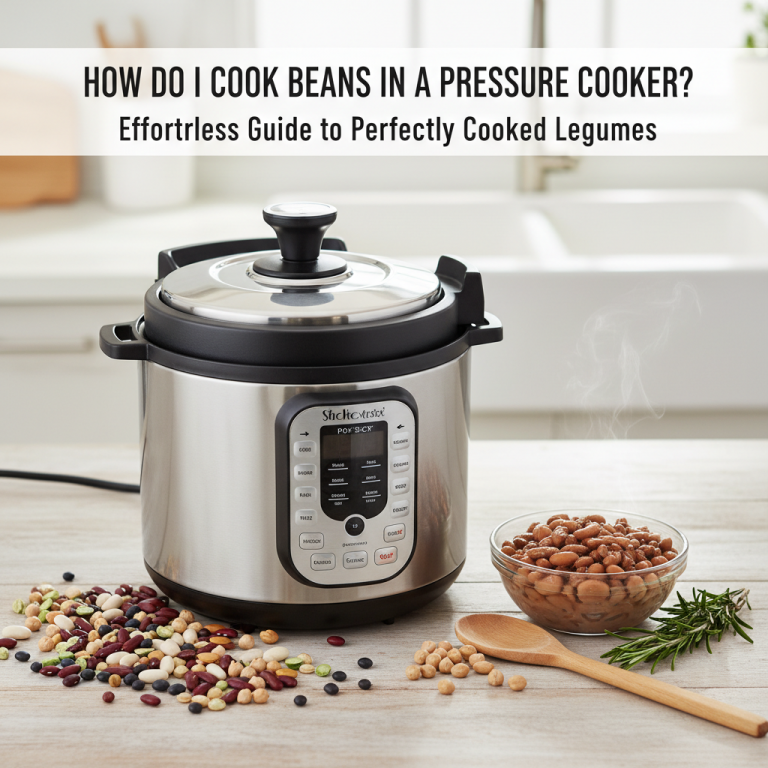
This is probably the most important rule of pressure cooking: you always need liquid. Without it, there’s no steam, and without steam, there’s no pressure. Most recipes call for at least 1/2 to 1 cup of liquid. This could be water, broth, wine, or even sauce. Don’t fill your cooker more than two-thirds full for most foods, and never more than halfway if you’re cooking foods that expand like beans or grains. Too much can block the steam release valve.
3. Load Your Food & Seal the Lid
Place your ingredients into the inner pot. Secure the lid according to your cooker’s instructions. Make sure it’s properly aligned and locked into place. You’ll usually hear a click or see an indicator. Double-check that your steam release valve is set to the “sealing” position (this is where most beginners make their first mistake!).
4. Set It & Forget It (Mostly!)
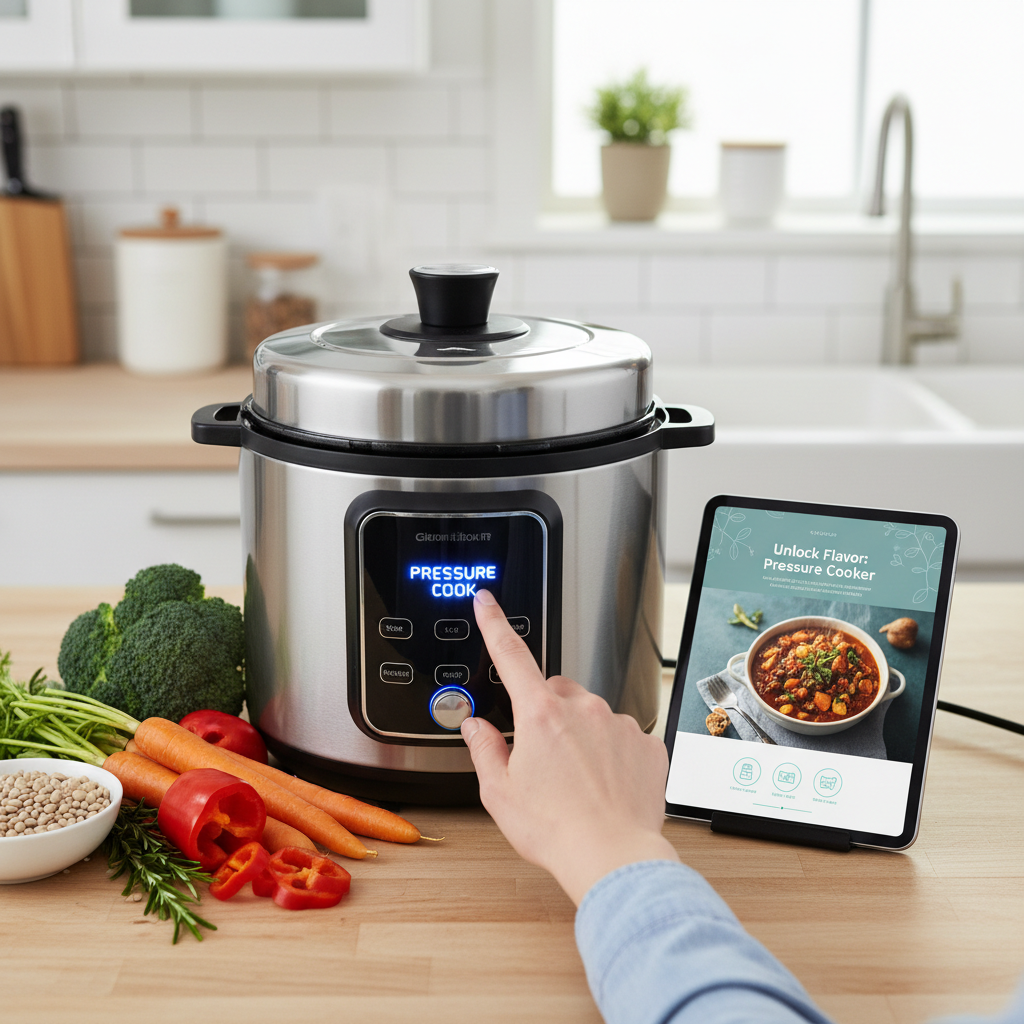
Whether you have a stove-top model or an electric one, you’ll now bring your cooker up to pressure. For stove-top, set it over high heat. For electric, select your desired setting (e.g., “Pressure Cook,” “Manual”) and cooking time. It will take some time for the pressure to build. During this phase, you might hear hissing and see steam escaping from the valve – that’s normal! Once it reaches full pressure, the pressure indicator will rise, and the cooking time will begin.
The Grand Finale: Releasing the Pressure Safely
Once your food is done cooking, you’ll need to release the pressure safely before you can open the lid. There are three main methods:
-
Natural Release (NPR): This is the most gentle method. You simply turn off the heat (or unplug an electric cooker) and let the pressure dissipate on its own. It can take 10-20 minutes, or even longer, depending on the volume of food and liquid. This method is best for foamy foods like beans or grains, and for large cuts of meat, as it helps prevent them from toughening up.
-
Quick Release (QR): With quick release, you manually open the steam release valve to allow the pressure to drop rapidly. Always use a utensil or wear a mitt! A forceful jet of steam will erupt, so keep your face and hands away. This method is great for delicate foods that you don’t want to overcook, like vegetables or seafood. Be careful using it for foamy foods, though, as it can cause sputtering.
-
Combined Release: Some recipes call for a combination, like a 10-minute natural release followed by a quick release to finish. This gives you the best of both worlds!
Important: Never try to force the lid open if the pressure indicator is still up. Your cooker won’t let you anyway, thanks to those clever safety mechanisms, but it’s a good reminder. Once the indicator drops and there’s no steam escaping, it’s safe to open the lid.
Common Pitfalls and How to Avoid Them
Like any new skill, there’s a small learning curve. Here are a couple of common things people run into:
-
“It’s not coming to pressure!” Triple-check your lid. Is it sealed properly? Is the gasket in place? Is the steam release valve set to “sealing”? Is there enough liquid?
-
Undercooked food: If your food isn’t done, simply reseal the lid, bring it back up to pressure, and cook for a few more minutes. You can always add time, but you can’t subtract it!
-
Overcooked food: This usually happens if you’ve used a quick release when a natural release was called for, or if you’ve simply cooked too long. Keep a close eye on recipe times, especially when you’re just starting out.
Remember, practice makes perfect! Don’t be afraid to start with simple recipes. A great place to find reliable pressure cooker recipes, especially for the electric multi-cooker type, is Pressure Cook Recipes or Serious Eats’ pressure cooker section. There’s a whole community out there ready to share tips and tricks!
Ready to Pressure Cook? Your Culinary Adventure Awaits!
Using a pressure cooker might seem intimidating at first, but I promise it’s one of the most rewarding kitchen tools you’ll ever own. Not only will you save precious time, but you’ll also discover a whole new level of flavor and tenderness in your dishes. From quick weeknight meals to impressive weekend feasts, your pressure cooker is about to become your new best friend.
So, go on! Dust off that pot, read that manual, and get cooking. Your taste buds (and your busy schedule!) will thank you for it. Happy pressure cooking!