Pressure Cooker vs. Crockpot: Can You Really Taste the Difference?
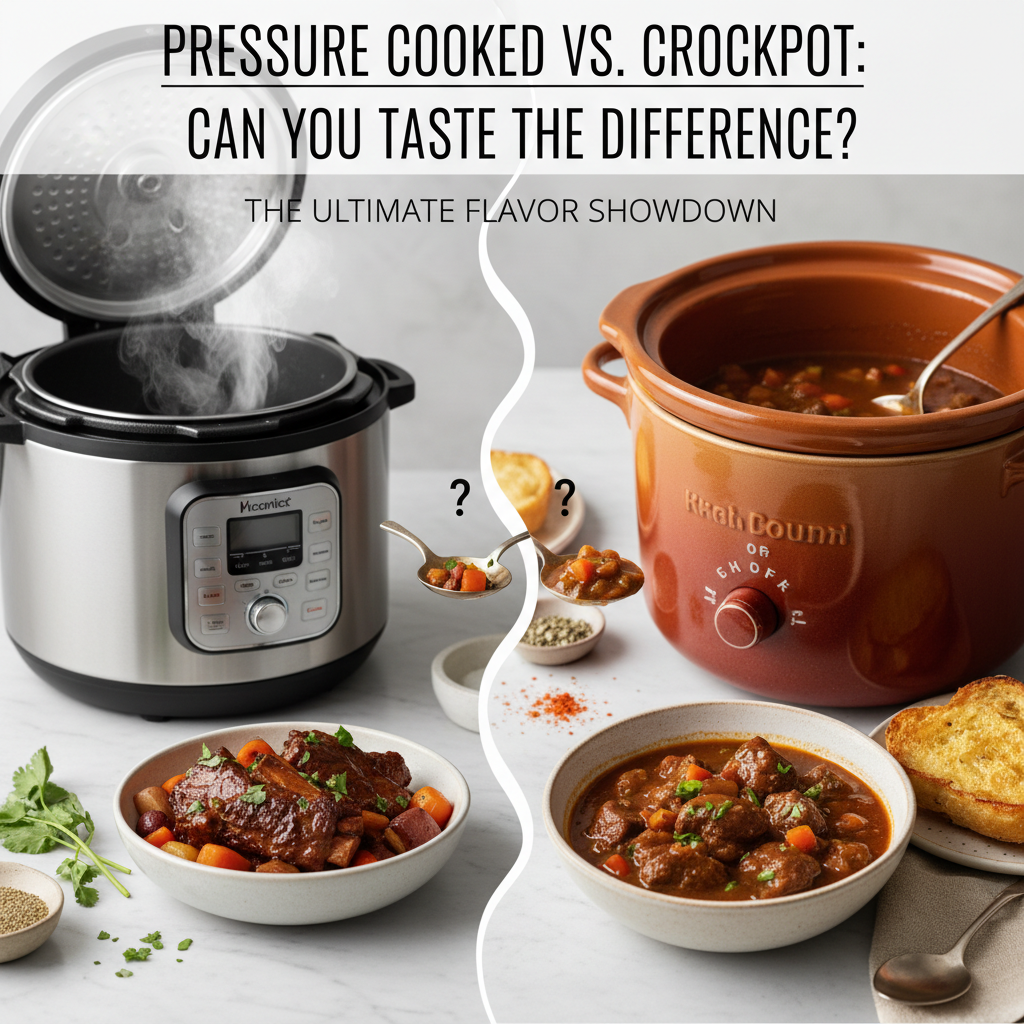
Hey there, fellow foodies! Ever stared at a recipe, then at your kitchen counter, and wondered, “Should I pull out the trusty Crockpot or fire up the flashy Instant Pot (or traditional pressure cooker)?” You’re not alone! It’s a culinary conundrum that’s sparked countless debates in Facebook groups, at dinner parties, and probably in your own head. Today, we’re diving deep into the age-old question: Can you truly taste the difference between food cooked in a pressure cooker and food simmered away in a slow cooker?
I’m a big fan of both these kitchen workhorses, and honestly, they’ve saved my weeknights more times than I can count. But while they both aim to deliver delicious, tender meals, they go about it in wildly different ways. And those differences, my friends, can absolutely affect the final flavor profile. Let’s break it down, shall we?
The Tale of Two Cooking Methods: Speed vs. Leisure
Before we get into the nitty-gritty of taste, let’s quickly recap how these appliances work. Think of them as two very different personal trainers for your food.
The Pressure Cooker: The Sprint Champion
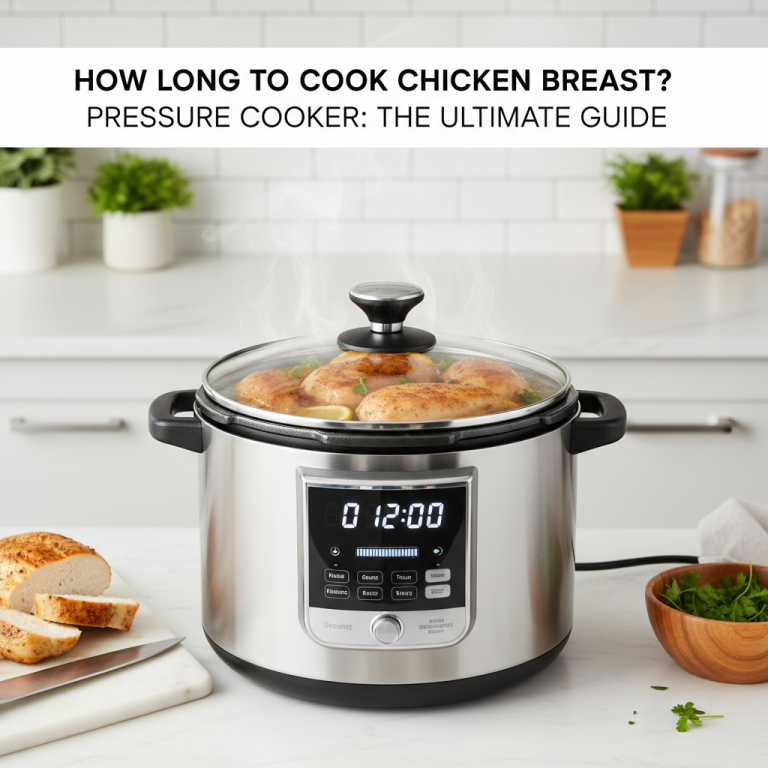
A pressure cooker is like the Usain Bolt of the kitchen. It cooks food under high pressure, which raises the boiling point of water. This means higher temperatures and super-fast cooking times. Imagine your favorite tough cuts of meat turning fall-apart tender in a fraction of the time. It’s magic, really! This method is fantastic for busy folks who want a quick, hearty meal without sacrificing quality. Want to learn more about the science behind pressure cooking? Check out Wikipedia’s detailed explanation of pressure cooking.
The Slow Cooker (Crockpot): The Marathon Maestro
Then there’s the slow cooker, or Crockpot, as many of us affectionately call it. This gadget is all about taking its sweet time. Low, consistent heat over many hours breaks down tough fibers, allowing flavors to meld and deepen beautifully. It’s the ultimate set-it-and-forget-it appliance, perfect for Sunday stews or coming home to a fully cooked dinner. Think rich, deeply flavored dishes that have had all day to develop. The Crockpot brand, as developed by Rival Manufacturing Company, truly revolutionized home cooking.
So, What About the Taste? Let’s Get Subjective!
Alright, down to the juicy part! While taste is inherently subjective, there are some pretty consistent observations when comparing these two methods.
Flavor Development: A Matter of Time
This is probably the biggest differentiator. Slow cookers, by their very nature, allow flavors to develop over a long period. Ingredients like herbs, spices, and aromatics have hours to infuse and meld, creating a more complex, unified taste. Think about a classic beef stew: when it’s slow-cooked, every spoonful carries that deep, rich, savory goodness that only time can build.
Pressure cookers, on the other hand, cook so quickly that the flavor development process is compressed. While they excel at tenderizing and cooking through, you might find that the individual flavors of ingredients remain more distinct. They don’t always meld into that singular, harmonious flavor profile you get from a slow cooker. This isn’t necessarily a bad thing – sometimes you want those bright, individual notes!
Texture Talk: Tender, But Different
Both methods are champions of tenderness, especially with meats and legumes. But the kind of tender can vary. Pressure-cooked meats tend to be incredibly tender and juicy, almost like they’ve been braised quickly. They can sometimes have a slightly firmer, more uniform texture because the cooking is so rapid and intense.
Slow-cooked meats, particularly things like pulled pork or shredded chicken, often have that melt-in-your-mouth, super fall-apart quality that comes from extended exposure to low heat. The connective tissues break down thoroughly, resulting in a more ‘shreddy’ or ‘flaky’ texture. For some dishes, like pot roast, this difference can be quite noticeable and preferred by many home cooks.
Moisture Retention and Browning: A Battle of External Factors
Pressure cookers are sealed environments, meaning moisture is trapped and circulated. This often results in incredibly moist and juicy food. However, because there’s no air exposure during cooking, you won’t get any browning or caramelization. If your recipe needs that rich, browned exterior (think chili meat or stew beef), you’ll need to sear it separately before or after pressure cooking. Many Instant Pot users pre-sear right in the pot, which is a great hack!
Slow cookers also retain moisture quite well, but because they’re not under pressure, there’s some evaporation over time, especially if you lift the lid too often (resist the urge!). The gentle heat can also contribute to a different kind of moisture retention, sometimes resulting in a more ‘stewy’ liquid. Again, browning is not a feature of most slow cooking. Always brown your meat first on the stovetop if you want that depth of flavor!
My Own Taste Test Adventures
I’ve done countless side-by-side comparisons over the years. One notable experiment involved two batches of my famous beef ragu. One batch went into the trusty slow cooker for 8 hours, and the other into the pressure cooker for about 45 minutes. Both were delicious, don’t get me wrong! But the slow-cooked version had a profound depth, an almost ‘old-world’ flavor that the pressure-cooked version, while tender and flavorful, couldn’t quite match. The pressure-cooked ragu was quicker, perfect for a weeknight, but the slow-cooked one was definitely the Sunday dinner showstopper.
Similarly, when I make black beans from scratch, the pressure cooker is a lifesaver for speed. They come out perfectly tender. But when I’ve slow-cooked them, they absorb simmering liquid more thoroughly, leading to a creamier, more deeply flavored bean. It really comes down to what you’re prioritizing: speed or nuanced, long-developed flavor.
So, What’s the Verdict? Do You Taste a Difference?
Yes, absolutely! While both methods deliver wonderfully tender food, you can definitely taste a difference. It’s not about one being inherently ‘better’ than the other; it’s about what you’re trying to achieve with your cooking and the specific dish you’re making.
- For speed and tenderizing tough cuts quickly: The pressure cooker wins every time. It’s perfect for last-minute meals or when you forget to thaw dinner.
- For deep, melded, complex flavors that develop over time: The slow cooker is your champion. It’s unbeatable for stews, chilis, and anything where you want flavors to truly immerse themselves.
- For texture: Pressure cooking often yields consistently tender, juicy results. Slow cooking often gives that fall-apart, shreddable texture that many adore.
Ultimately, both appliances deserve a spot in your kitchen. They complement each other beautifully, allowing you to choose the best tool for the job. Don’t feel pressured (pun intended!) to pick a favorite. Embrace the versatility! For more cooking insights and recipes that utilize both methods, I often refer to great resources like Food Network and Serious Eats.
So next time you’re debating, think about the end goal. Do you need dinner on the table in an hour, or do you have all day for flavors to mingle and deepen? Your taste buds will thank you for making the right choice!